
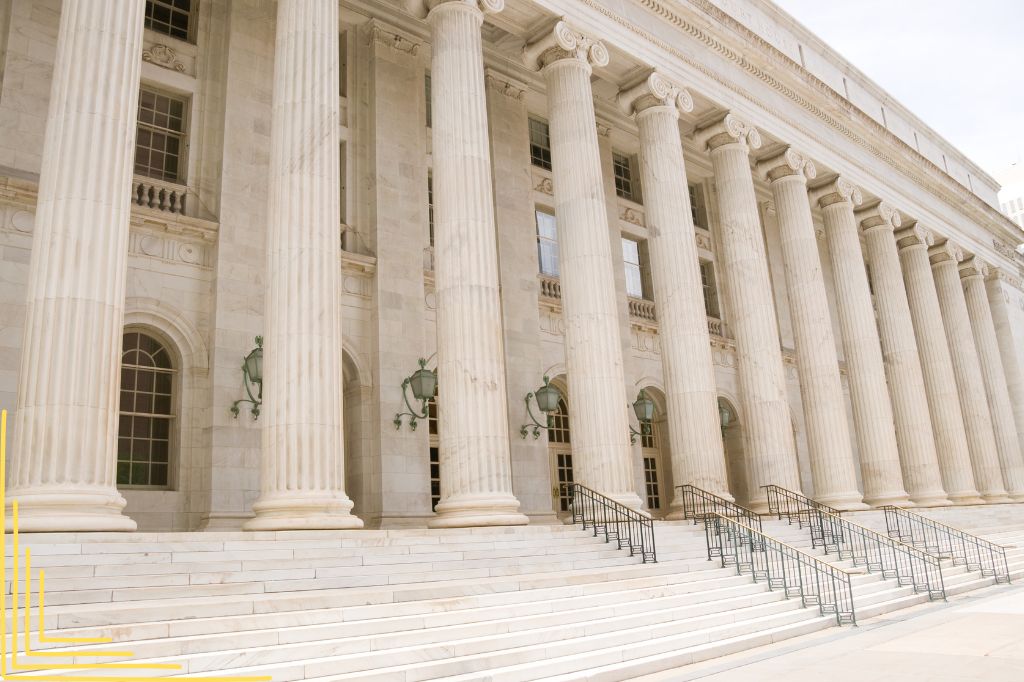
Understanding Florida’s First Amendment Rights
Understanding the First Amendment is crucial for Florida residents. It guarantees fundamental freedoms like speech and assembly. These rights are vital for a democratic society.
Florida’s Constitution mirrors these protections. It ensures that residents enjoy similar freedoms under state law. This dual protection strengthens individual rights.
However, First Amendment rights are not absolute. They can be limited in certain situations, such as defamation or incitement. Understanding these nuances is essential.
Florida has unique legal precedents that shape how these rights are applied. This makes the state’s approach distinct from others. Residents should be aware of these differences.
This article will explore Florida’s First Amendment rights. It will cover their application, protection, and related legal issues.
What Is the First Amendment?
The First Amendment is a cornerstone of American democracy. It safeguards essential freedoms from government interference. These freedoms allow individuals to express themselves and participate in society.
The primary components of the First Amendment include:
- Freedom of Speech: The right to express opinions without censorship.
- Freedom of the Press: The right to report news without government control.
- Freedom of Religion: The right to practice or not practice any faith.
- Right to Assemble: The right to gather peacefully for protest or dialogue.
- Right to Petition: The right to address the government for grievances.
These protections extend beyond speech. They ensure a robust exchange of ideas. This framework is vital for maintaining free and open communication.
How the First Amendment Applies in Florida
The First Amendment applies to state governments through the Fourteenth Amendment. This means Florida must uphold these foundational freedoms. Florida’s government institutions, including schools and public offices, must respect these rights.
Florida also has its own constitutional protections. The state constitution echoes the First Amendment. It reinforces a commitment to individual freedoms.
Florida courts have interpreted these rights in various contexts. Legal precedents cover everything from public school policies to regulations at government meetings. Florida’s commitment to free speech has a unique legal landscape, shaped by these interpretations.
There are specific laws in Florida that address First Amendment issues:
- Defamation Limitations: Speech must not harm a person’s reputation.
- Public Safety Regulations: Protests must ensure public safety.
- Hate Speech: Balancing free speech and preventing harm.
Understanding these nuances is crucial. Legal practitioners and residents must remain informed.
Florida’s Constitutional Rights and Free Speech Protections
Florida’s Constitution offers a robust framework for free speech. It mirrors the U.S. Constitution but includes state-specific nuances. This document underscores Floridians’ rights to express themselves openly.
The state supports open expression, even in challenging contexts. For instance, it ensures transparency in government actions. Florida’s “Sunshine Law” mandates open government meetings, reflecting free speech principles.
Key protections under Florida’s Constitution include:
- Speech and Press: Right to express opinions without censorship.
- Assembly: Right to gather peacefully for protest or dialogue.
- Petition: Right to appeal government decisions.
Floridians benefit from these protections. Yet, understanding their reach and limitations is vital. This awareness helps maintain a balance between liberty and law.
Key First Amendment Issues in Florida
Florida faces unique challenges with First Amendment issues. These challenges often reflect broader societal debates. Such matters include how free speech interacts with public safety.
A key issue is the balance between free expression and hate speech. Florida courts often examine this tension. They strive to protect speech while preventing harm.
Public demonstrations are another significant area. Florida supports the right to protest. However, regulations aim to ensure public order and safety during these events.
Notable issues to consider include:
- Balancing free speech with public safety concerns.
- Managing hate speech versus free expression.
- Regulation of protests and public assemblies.
Florida also grapples with speech on digital platforms. Social media increases the complexity of regulating online speech. This has led to new legal debates.
The state continues to refine its approach. Legal precedents evolve as societal values shift. Understanding these issues is key for Floridians navigating their rights.
Notable Florida Court Cases and Legal Precedents
Florida has been home to several important First Amendment cases. These cases have shaped the legal landscape within the state. They also contribute to national legal standards.
One significant case involved student expression in schools. Florida courts ruled on the balance between student rights and institutional control. This has influenced policies across the educational sector.
Another landmark decision focused on press freedom. The Florida Supreme Court upheld strong protections for journalists. This case reinforced the critical role of media in a democratic society.
Noteworthy cases include:
- Decisions on student expression rights.
- Rulings affecting press freedom.
- Judicial interpretations of public protest regulations.
These precedents highlight Florida’s commitment to safeguarding rights. They are pivotal in understanding current legal practices. For residents, knowing these cases helps in recognizing potential legal outcomes.
Recent Legislative Actions and Controversies
Florida has experienced notable debates on First Amendment rights recently. Legislative changes have sparked significant conversations. They focus primarily on issues of free speech and censorship.
Recent laws have targeted social media companies. They aim to regulate how these platforms manage content. This has raised concerns about potential clashes with First Amendment protections.
Controversies have also arisen around educational policies. New measures seek to control the discussion of particular topics in schools. This has prompted legal challenges based on free expression rights.
Key legislative actions include:
- Regulations on social media moderation.
- Educational policy changes affecting curriculum content.
- Legal disputes resulting from potential censorship issues.
These developments underscore the ongoing tension between governance and free speech. Understanding these changes is crucial for Florida residents. It ensures awareness of their rights amidst evolving legal interpretations.
Protecting Your First Amendment Rights in Florida
Safeguarding your First Amendment rights is essential. Florida provides various avenues for individuals to assert these rights. Understanding these options is vital for effective protection.
Residents can challenge violations through legal means. This includes filing lawsuits if they feel their rights are infringed. Legal assistance can help navigate these complexities.
Staying informed about your rights enhances protection. It’s crucial to know what is permissible under Florida law. Here are a few steps to protect your free speech:
- Consult legal experts for guidance.
- Stay updated on state laws and regulations.
- Engage in public forums and discussions to promote awareness.
By actively exercising these rights, Floridians uphold the principles of free speech.
Conclusion: The Importance of Understanding Your Rights
Grasping Florida’s First Amendment rights is crucial for all residents. It ensures that individuals can express themselves freely and participate in democracy. Awareness of these rights empowers people to advocate for transparency and accountability.
Knowing your rights also helps prevent infringements. It encourages informed civic engagement and strengthens public discourse. By understanding the nuances of Florida’s free speech laws, you contribute to a society that values open dialogue and liberty. Protect your voice and celebrate the freedoms enshrined in the First Amendment.