Federal Criminal Defense
Lawyer in Orlando, FL

Experienced Defense for Federal Charges Throughout Florida

✓ Free Consultation 24/7

✓ Admitted in Middle & Southern Districts

✓ Former Prosecutors

✓ Board Certified Criminal Trial Lawyer

✓ Payment Plans Available

Federal Defense Attorneys Orlando, FL

What is a Federal Criminal Case?

Federal criminal cases are prosecuted by the United States Attorney’s Office and heard in U.S. District Court. Federal charges typically involve conduct that crosses state lines, violates federal law, or occurs on federal property — including drug trafficking, wire and mail fraud, tax evasion, bank robbery, firearms offenses, immigration crimes, and conspiracy. Federal cases move quickly, involve enormous resources (FBI, DEA, ATF, IRS, HSI, ICE), and carry harsh mandatory minimums under the U.S. Sentencing Guidelines. The stakes are higher than in state court — federal sentences generally require serving at least 85% of the time imposed, with no parole. If you have been contacted by a federal agent, received a target letter, or been arrested on federal charges, call Smith & Eulo immediately. Every hour matters.

Get Immediate Legal Help

Call 24/7 for your free consultation

Drug Trafficking

DEA investigations, conspiracy, and interstate distribution charges

White Collar & Fraud

Wire fraud, mail fraud, healthcare fraud, and tax offenses

Federal Firearms

Felon-in-possession, 924(c), and ATF firearms offenses

Conspiracy Charges

Multi-defendant indictments and RICO prosecutions

How a Federal Case Moves

1. Investigation

FBI, DEA, ATF, IRS, or HSI conducts covert investigation — often for months or years

2. Target Letter or Grand Jury

You may receive a target letter or an indictment is returned by a federal grand jury

3. Arrest & Initial Appearance

Arraignment before a U.S. Magistrate Judge and a detention hearing on bond

4. Discovery & Motions

Review of discovery, Franks hearings, motions to suppress, and Brady challenges

5. Plea or Trial

Negotiated plea agreement, cooperation, or jury trial in U.S. District Court

6. Sentencing

PSR preparation, guidelines calculation, and sentencing before the District Judge

How We Defend Federal Cases

Federal defense requires a specialized approach:

Pre-Indictment Intervention

Contacting the AUSA before charges are filed can prevent an indictment entirely.

Suppression Motions

Challenging wiretaps, search warrants, and Title III applications for constitutional violations.

Detention Hearings

Fighting the presumption of detention in drug and firearms cases to keep you out of custody pretrial.

Guidelines Litigation

Attacking loss amounts, drug quantities, role adjustments, and enhancements that drive sentences up.

Cooperation & 5K1.1

When cooperation makes sense, we negotiate substantial-assistance departures that reduce mandatory minimums.

Trial

Our attorneys have tried federal cases and know how to hold the government to its burden.

Federal Sentencing Basics

Mandatory Minimums

Many federal statutes carry 5, 10, or 20-year mandatory minimums the judge cannot go below without a safety valve or 5K.

Sentencing Guidelines

The U.S. Sentencing Guidelines calculate an advisory range based on offense level and criminal history.

85% Rule

There is no parole in federal court. Defendants generally serve at least 85% of the sentence imposed.

Safety Valve

Certain drug defendants with limited criminal history may avoid mandatory minimums by proffering truthful information.

Variances & Departures

We argue for below-guideline sentences based on 3553(a) factors, cooperation, and mitigating circumstances.

Restitution & Forfeiture

Federal sentences often include restitution and asset forfeiture — we fight both.

Federal Charges We Handle

We defend clients in federal court against the full spectrum of federal charges:

  • Drug Trafficking & Conspiracy – 21 U.S.C. §§ 841, 846 — cocaine, methamphetamine, heroin, fentanyl
  • Wire & Mail Fraud – 18 U.S.C. §§ 1341, 1343 — the government’s favorite fraud statutes
  • Healthcare & Medicare Fraud – Kickbacks, billing schemes, and False Claims Act cases
  • Bank Fraud & Money Laundering – 18 U.S.C. §§ 1344, 1956, 1957
  • Tax Crimes – Evasion, willful failure to file, and false returns
  • Firearms Offenses – Felon-in-possession, 924(c), and straw purchases
  • Child Pornography & Internet Crimes – Discreet, sensitive defense
  • Immigration Crimes – Illegal reentry, harboring, and passport fraud
  • RICO & Organized Crime – Multi-defendant racketeering indictments
  • Public Corruption – Bribery, honest-services fraud, and 1001 false statements

Federal vs State Court

Prosecutor Resources

AUSAs generally have smaller caseloads and more resources than state prosecutors — they only bring cases they expect to win.

Pace

Federal cases move fast under the Speedy Trial Act — you don’t have months to react.

Sentencing

Federal sentences are longer, mandatory minimums are common, and there is no parole.

If You Get a Target Letter

Do Not Contact the Agent: Do not call, email, or meet with the agent without counsel.

Preserve Everything: Do not delete emails, texts, documents, or files — destruction is its own charge (18 U.S.C. § 1519).

Don’t Warn Others: Contacting witnesses or co-subjects can be charged as obstruction.

Call Us Immediately: A target letter is a window to intervene before an indictment. That window closes fast.

Frequently Asked Questions

Federal charges are brought by the U.S. Attorney’s Office and heard in U.S. District Court under federal statutes and the U.S. Sentencing Guidelines. State charges are brought by the State Attorney and heard in Florida state court. Federal cases usually involve conduct crossing state lines, federal property, or federal statutes like drug conspiracy, wire fraud, and firearms offenses.
A target letter means the U.S. Attorney’s Office considers you a target of a grand jury investigation and expects to seek an indictment. It is a formal warning — and an opportunity to intervene before charges are filed. Do not respond without an attorney. Call us the same day you receive one.
Federal pretrial detention is common in drug and firearms cases because of a statutory presumption of detention. We fight for release with proposed conditions — bond, GPS monitoring, third-party custodian, and travel restrictions — and file for detention hearings before the U.S. Magistrate Judge.
Federal cases generally move faster than state cases under the Speedy Trial Act. From indictment to trial is often 6 to 12 months, though complex cases with voluminous discovery or multiple defendants can take longer. Sentencing typically occurs 60 to 90 days after a plea or verdict.

Your Constitutional Rights

Right to Remain Silent

You are never required to speak with federal agents. Politely decline and ask for a lawyer.

Right to Counsel

Once you invoke your right to counsel, all questioning must stop.

Protection From Unlawful Search

Federal agents need a warrant, consent, or a valid exception — challenges to searches are often case-changing.

Speedy Trial Act

Federal law generally requires trial within 70 days of indictment, subject to excludable delays.

Presumption of Innocence

The government must prove every element beyond a reasonable doubt — you owe them nothing.

Federal Districts We Serve

Middle District of Florida

Orlando, Tampa, Jacksonville, Ocala, and Fort Myers divisions.

Southern District of Florida

Miami, Fort Lauderdale, West Palm Beach, and Key West divisions.

Northern District of Florida

Tallahassee, Pensacola, Gainesville, and Panama City divisions.

Eleventh Circuit

Federal appeals to the U.S. Court of Appeals for the Eleventh Circuit in Atlanta.

Other Federal Courts

Pro hac vice admission available for cases in other federal districts.

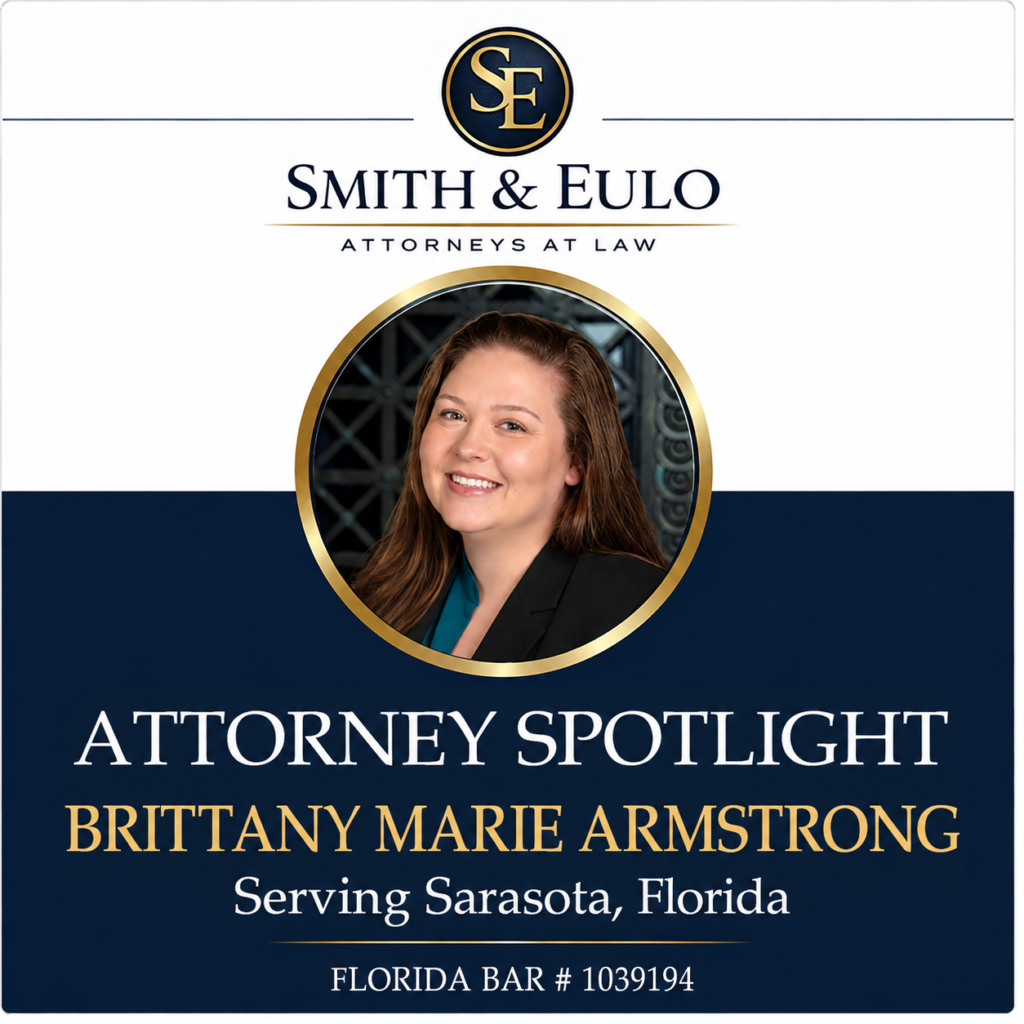
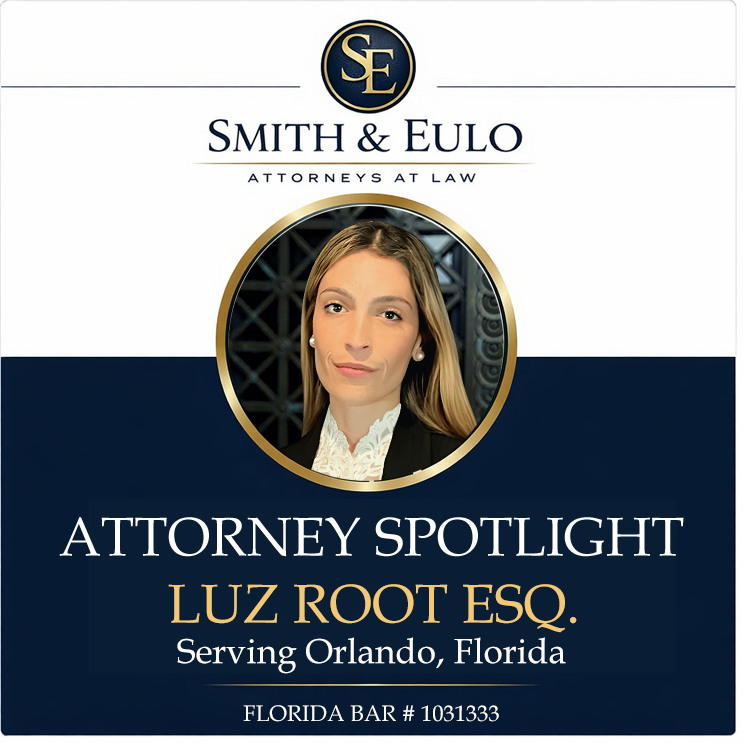
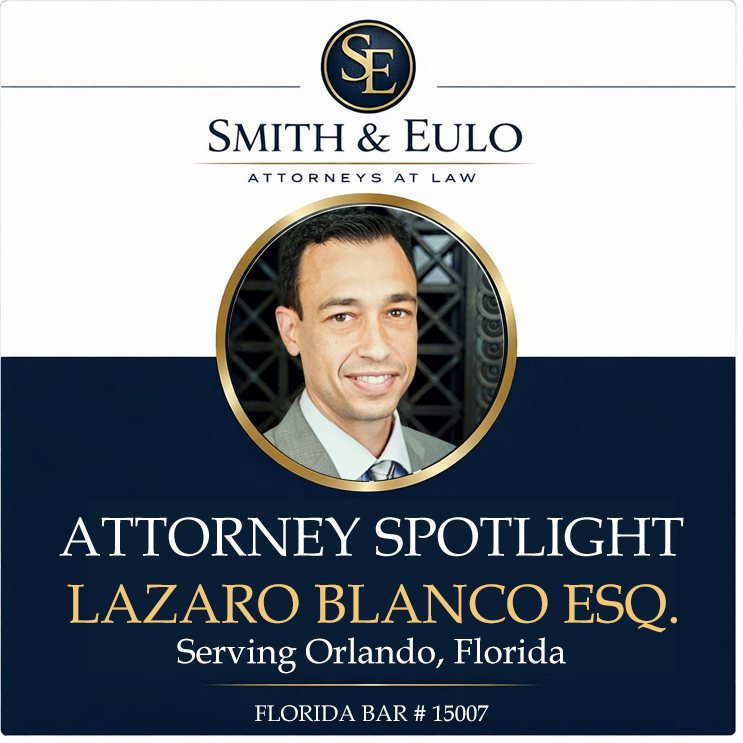
Meet Your Federal Defense Team

What Our Clients Say

Why Choose Smith & Eulo?

Federal Court Experience – Attorneys admitted in the Middle and Southern Districts of Florida

20+ Attorneys – Full team of experienced criminal defense lawyers

15+ Florida Offices – Serving defendants throughout the state

Former Prosecutors – We know how the government builds its case

Available 24/7 – We answer when you need us most

Case Results

Indictment Avoided – Pre-indictment presentation persuaded AUSA to decline prosecution

Wiretap Suppressed – Title III challenge gutted government’s drug conspiracy case

Substantial Variance – Fraud client sentenced far below guidelines range

Safety Valve Secured – Client avoided 10-year mandatory minimum

Pretrial Release Won – Detention hearing victory in presumption case

Consequences Beyond Prison

Supervised Release: Federal sentences almost always include years of supervised release after prison.

Asset Forfeiture: The government seeks forfeiture of proceeds and property used in the offense.

Restitution: Mandatory in fraud, tax, and many drug cases — often in the hundreds of thousands or millions.

Immigration: Federal convictions almost always trigger removal for non-citizens.

Professional & Financial: Loss of licenses, bar admissions, security clearances, and government contracts.

Federal Appeals & Post-Conviction

Even after a conviction, options remain:

Direct Appeal – Notice of appeal must be filed within 14 days of judgment.

§ 2255 Motions – Collateral attack on the conviction or sentence for constitutional errors.

Compassionate Release – Motions under 18 U.S.C. § 3582(c)(1)(A) for extraordinary circumstances.

Rule 35(b) – Post-sentence reduction for substantial assistance provided after sentencing.

Sentence Reductions – Retroactive guideline amendments and First Step Act relief.

Complete Federal Defense FAQ

Signs include federal agents (FBI, DEA, ATF, IRS-CI, HSI) contacting you or coworkers, a grand jury subpoena for records or testimony, a target or subject letter from the U.S. Attorney’s Office, or a search warrant. If any of these occur, stop talking, preserve everything, and call a federal defense lawyer the same day.
No. Politely tell them you would like to speak to your attorney before answering any questions, then say nothing else. Lying to a federal agent — even about something small — is a separate crime under 18 U.S.C. § 1001 that can be charged even if you’re never charged with the underlying offense.
A proffer is a meeting where you and your attorney meet with prosecutors and agents to provide information under a limited-use immunity agreement. Proffers can lead to cooperation deals, reduced charges, and safety-valve eligibility — but they carry serious risks. Never proffer without an experienced federal attorney evaluating the offer.
Federal statutes require judges to impose specific minimum sentences regardless of guidelines calculations. Common examples: 5 years for drug quantities crossing statutory thresholds, 10 years for larger quantities, and consecutive 5-year minimums under 18 U.S.C. § 924(c) for firearms used in drug or violent crimes. Safety-valve, cooperation, and constitutional challenges are the only ways below.
Yes, but only if the offense is not one that carries a mandatory minimum and the guidelines range or a variance permits it. Probation is more common in low-loss fraud, tax, and immigration cases than in drug or violent-crime cases. We build sentencing memoranda designed to make probation possible where the law allows.
The guidelines assign a base offense level plus enhancements (drug quantity, loss amount, role in the offense, obstruction) and combine it with a criminal history category to produce an advisory sentencing range. Judges must calculate the guidelines correctly and then consider 18 U.S.C. § 3553(a) factors — leaving room for variance below the range.
The First Step Act of 2018 expanded safety-valve eligibility, made the Fair Sentencing Act’s crack-cocaine reforms retroactive, and created new pathways to compassionate release and earned-time credits. We evaluate every eligible client for First Step Act relief — both at sentencing and post-conviction.
Federal pretrial detainees in Central Florida are typically held at the Orange County Jail under a federal contract, or at the Federal Detention Center in Miami. If released, you may be placed on pretrial supervision with GPS monitoring, drug testing, and travel restrictions. We push for release under the Bail Reform Act whenever possible.
Federal convictions cannot be expunged. Very limited relief is available through a presidential pardon or commutation, but those are rare. This is why fighting the charge at every stage — pre-indictment, at trial, on appeal — is critical. A conviction is essentially permanent.
Federal defense fees vary widely based on charge complexity, discovery volume, and whether the case goes to trial. Smith & Eulo offers free initial consultations and flexible payment plans. Given what is at stake — decades of prison, mandatory minimums, no parole — investing in experienced federal counsel is one of the most consequential decisions you’ll ever make.

Contact Us Today For Your Free Consultation

If you have been contacted by a federal agent, received a target letter, or been indicted, call us right away. Available 24/7, free consultation, and payment plans available.

What To Do Right Now

Don’t talk to federal agents. Invoke your right to silence and ask for a lawyer — even a friendly conversation is dangerous.

Preserve everything. Do not delete emails, texts, files, or documents — destruction is its own federal crime.

Don’t contact witnesses. Reaching out to co-subjects or witnesses can be charged as obstruction.

Stay off social media. Federal agents review your accounts. Say nothing about the investigation online.

Call us immediately. Every day of delay narrows your options — especially before an indictment.

Related Practice Areas

Criminal Defense – Full-service state and federal criminal representation

Drug Crimes – Possession, sale, and trafficking defense in state and federal court

White Collar Crimes – Fraud, embezzlement, and financial-crimes defense

Weapons Charges – State and federal firearms defense

Appeals & Post-Conviction – Federal appeals and § 2255 relief

Smith & Eulo Law Firm

We Have a Website Dedicated to Immigration Law

Smith & Eulo has a specialized immigration website — Florida Immigration Law Firms — dedicated exclusively to immigration cases across Florida. You are about to be taken there.

Proceed to Website →