Expungement Lawyer Near You
in Orlando, FL

Skilled Legal Representation for Clearing Your Florida Criminal Record. We help Floridians seal and expunge criminal records under Fla. Stat. §§ 943.0585 and 943.059 — giving you back your privacy, your job prospects, and your peace of mind.

Florida Expungement Attorneys

What Is Expungement in Florida?

Florida expungement law is administered by statute (Fla. Stat. §§ 943.0585, 943.059). The statutes contain point-by-point requirements to get a criminal record expunged or sealed. If you are trying to clear your record, it is essential to work with a Florida expungement lawyer who can guide you through eligibility, the FDLE Certificate of Eligibility process, and the court petition. Smith & Eulo Law Firm has helped clients across Florida remove eligible arrests and charges from public view.

Get Immediate Legal Help

Call 24/7 for your free consultation

Expungement vs. Sealing

Expungement physically destroys the record; sealing removes it from public view. Which one you qualify for depends on the outcome of your case.

Certificate of Eligibility

Every Florida expungement or sealing starts with obtaining a Certificate of Eligibility from FDLE — the first legal hurdle.

Court Petition

After the Certificate is issued, we file a petition with the court. A judge may grant the order in chambers or set a hearing.

Post-Expungement Rights

Once granted, you can lawfully deny the arrest ever occurred in most situations — including on most job applications.

Florida Expungement Eligibility Check

The Florida Expungement Process

1. Eligibility Review

We review the arrest, disposition, and criminal history to confirm you meet the statutory requirements before spending a dollar on filing fees.

2. FDLE Application

We prepare and submit your Application for Certificate of Eligibility to the Florida Department of Law Enforcement — fingerprints, disposition, and the required filing fee.

3. Court Petition

Once FDLE issues the Certificate, we file a sworn petition, notarized affidavit, and proposed order in the court that heard the original case.

4. Judicial Order & Record Destruction

A judge signs the order either in chambers or after a hearing. FDLE and any agency holding the record are then required to expunge or seal it.

How We Help Clients Clear Their Records

Smith & Eulo has guided thousands of Floridians through expungement and sealing. We handle the paperwork, timing, and courtroom appearances so you do not have to navigate FDLE, the State Attorney, and the court on your own. The process is technical — a single misfiled document can add months to your wait or trigger a denial.

We offer a straightforward, flat-fee structure for most expungement matters and will tell you before you retain us whether you are actually eligible under the statute.

Common Reasons Requests Are Denied

Prior Adjudication of Guilt

If you were ever adjudicated guilty of any criminal offense — anywhere — you are ineligible under §§ 943.0585 and 943.059.

Previously Sealed or Expunged Record

Florida generally allows one seal or expunction in a lifetime. A prior grant will disqualify you.

Charge Is on the Statutory Exclusion List

Certain offenses (see below) cannot be sealed or expunged even if adjudication was withheld.

Open Case or Active Supervision

You must have completed probation and have no pending charges before FDLE will issue a Certificate.

Offenses That Cannot Be Expunged Under Florida Law

Even when adjudication is withheld, the following offenses cannot be sealed or expunged under Fla. Stat. § 907.041 and the FDLE exclusion list:

• Arson
• Aggravated Assault
• Aggravated Battery
• Illegal use of explosives
• Child abuse or Aggravated Child Abuse
• Abuse of the elderly or disabled
• Aircraft piracy
• Kidnapping
• Homicide
• Manslaughter
• Sexual Battery
• Robbery
• Carjacking
• Lewd or lascivious acts involving a minor
• Sexual activity with a minor by a person in authority
• Burglary of a dwelling
• Stalking & Aggravated Stalking
• Domestic Violence (§ 741.28, F.S.)
• Home-invasion Robbery
• Terrorism (§ 775.30, F.S.)
• Manufacturing controlled substances (ch. 893)
• Human Trafficking
• Attempts or conspiracy for any of the above

If your charge appears on this list, sealing or expungement is not available — but there may be other post-conviction options. Request a free case review to find out.

Certificate of Eligibility — What to Expect

Application Package

Fingerprints, certified disposition, notarized application, and a $75 filing fee to FDLE.

State Attorney Review

The State Attorney’s office must sign off on the certification portion before FDLE issues the Certificate.

FDLE Processing Time

Typically three to four months from a complete submission — sometimes longer during backlogs.

Certificate Validity

Once issued, the Certificate is valid for 12 months. The court petition must be filed within that window.

Timeline & Costs

Total time: Six to nine months from retaining counsel to signed order, depending on FDLE backlog and the county in which the case was filed.

FDLE filing fee: $75, paid to the Florida Department of Law Enforcement.

Court costs: Vary by county; typically $42-$100 for the petition.

Attorney fee: Flat fee for most eligibility-confirmed matters. We quote you before you retain.

Certificate window: You have 12 months from FDLE issuance to petition the court.

Frequently Asked Questions

You may be eligible if you were not adjudicated guilty of the offense, you have never been adjudicated guilty of any criminal offense, and you have not previously had a record sealed or expunged in Florida. The charge must also not appear on the statutory exclusion list. The only way to know for certain is to have counsel review the disposition and your criminal history.
Sealing removes the record from public view but the record still exists. Expungement destroys the physical record and requires that it first be sealed. Which one you qualify for depends primarily on whether your case was dismissed / nolle prossed (expungement possible) or resulted in withheld adjudication after probation (sealing).
The FDLE Certificate of Eligibility usually takes three to four months from a complete submission. Once issued, the court petition and judicial order typically add another two to five months, depending on the county. Total: about six to nine months from retaining counsel.
A straight DUI conviction cannot be expunged. However, if the DUI was reduced to reckless driving and adjudication was withheld, that reduced charge may be eligible for sealing — which is one reason fighting DUI charges hard at the front end matters.

Florida Expungement Statutes

Fla. Stat. § 943.0585 — Court-Ordered Expunction

Governs court-ordered expunction of criminal history records. Requires an FDLE Certificate of Eligibility and a court petition.

Fla. Stat. § 943.059 — Court-Ordered Sealing

Governs court-ordered sealing of criminal history records — used where adjudication was withheld and probation completed.

Fla. Stat. § 943.0583 — Human-Trafficking Victims

Provides special expunction for records related to offenses committed while a victim of human trafficking.

Fla. Stat. § 943.0582 — Juvenile Diversion Expunction

Allows expunction of certain nonjudicial arrest records for minors who successfully complete a diversion program.

Counties We Serve

Orange County

Orlando, Winter Park, and surrounding areas.

Hillsborough County

Tampa and Tampa Bay area courts.

Seminole County

Sanford, Altamonte Springs, Lake Mary.

Osceola County

Kissimmee and Osceola County courts.

Polk County

Lakeland, Winter Haven, and surrounding areas.

Brevard County

Melbourne, Cocoa, and Space Coast.

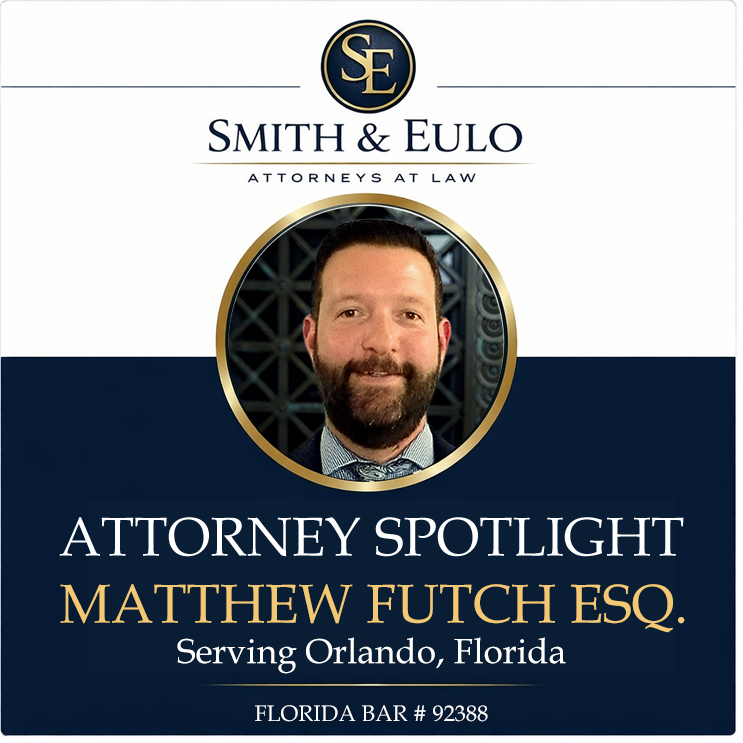
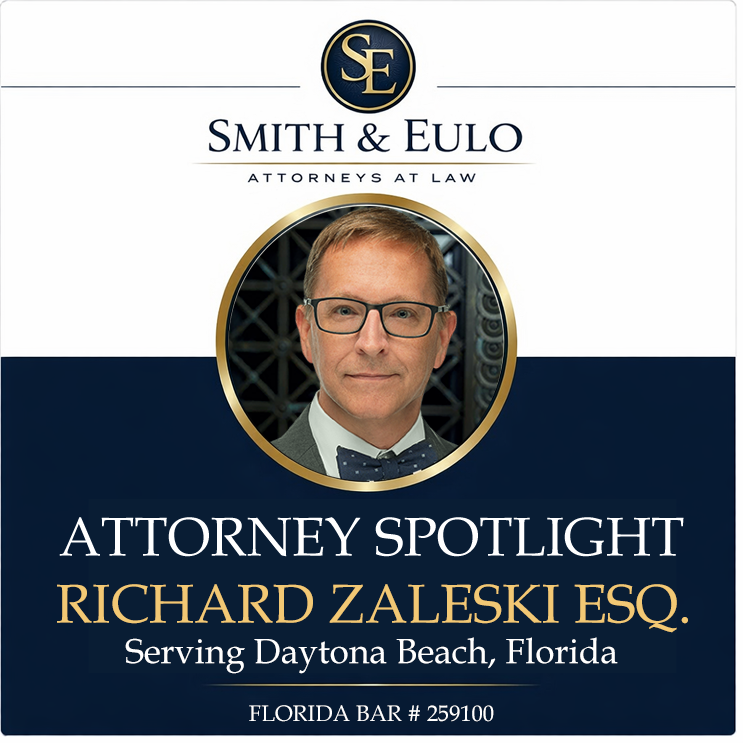
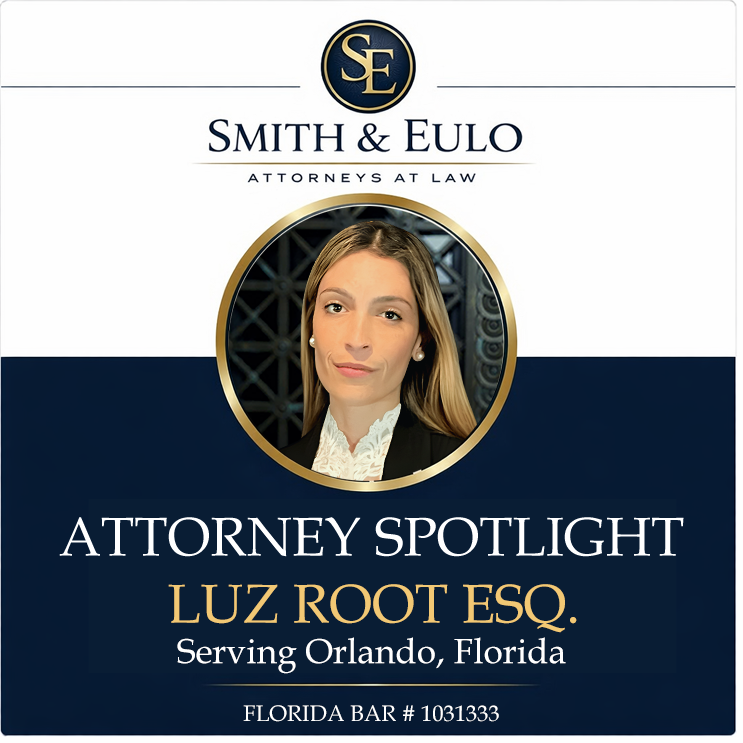
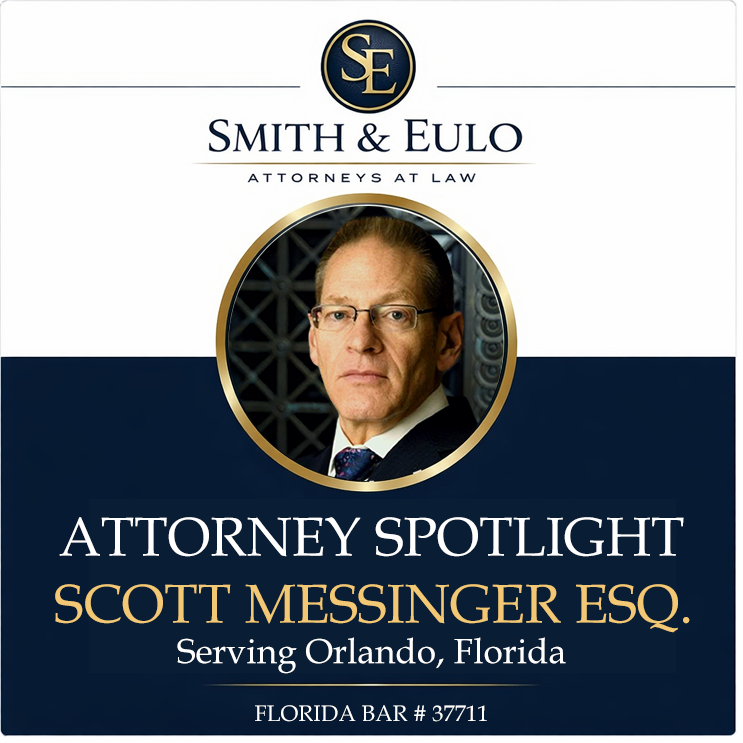
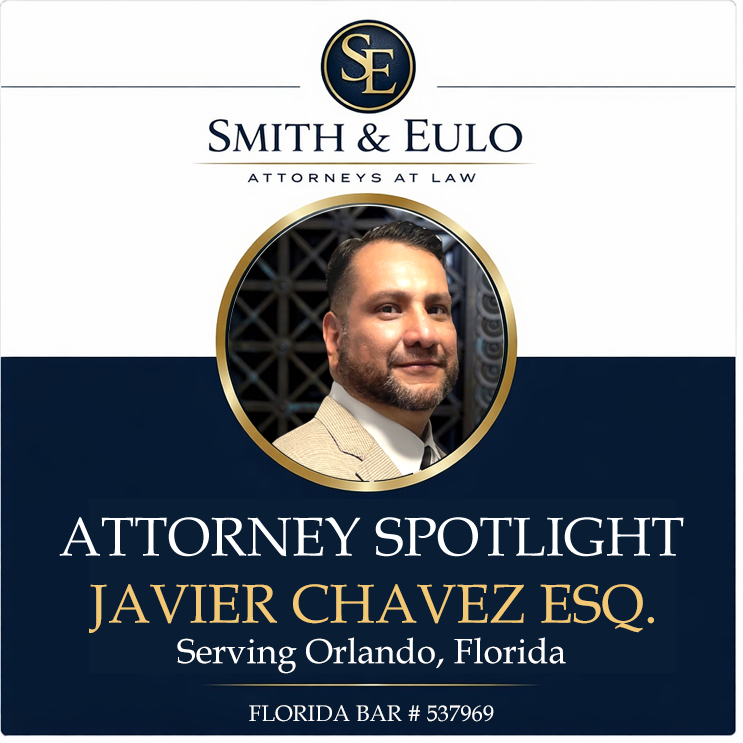
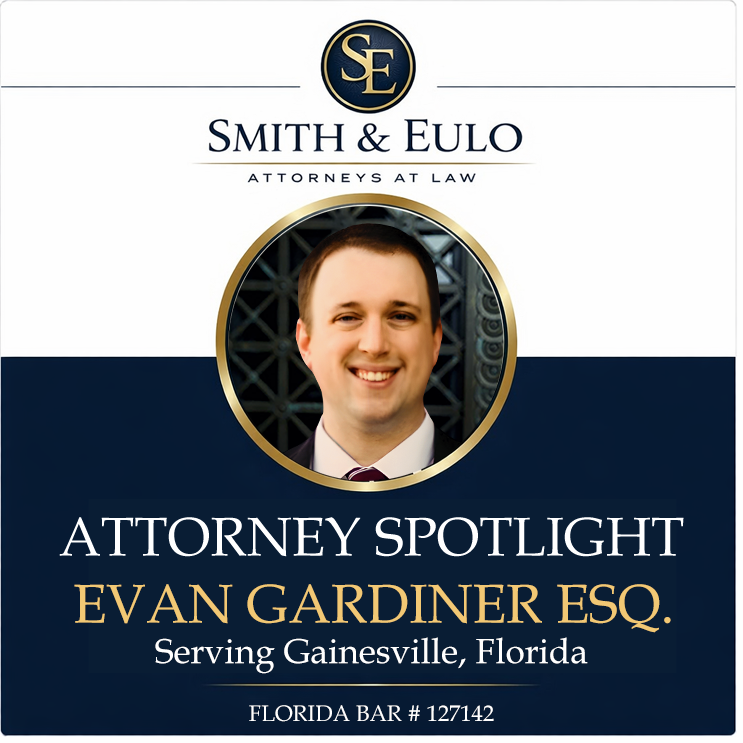
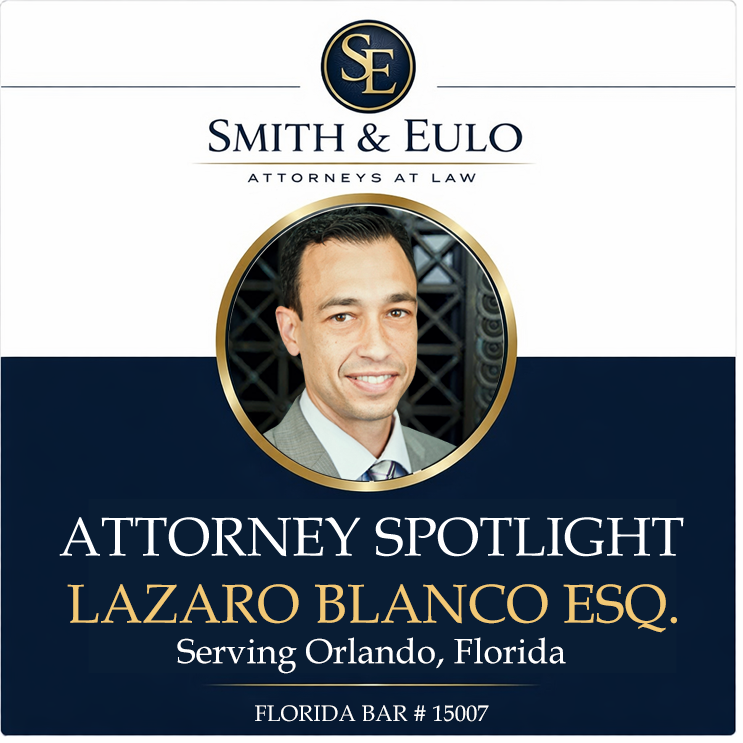
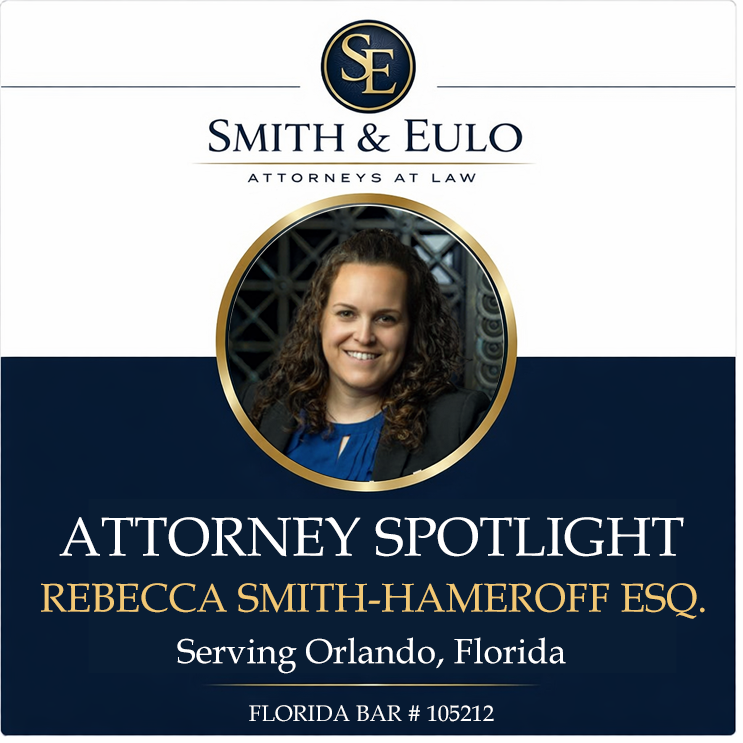
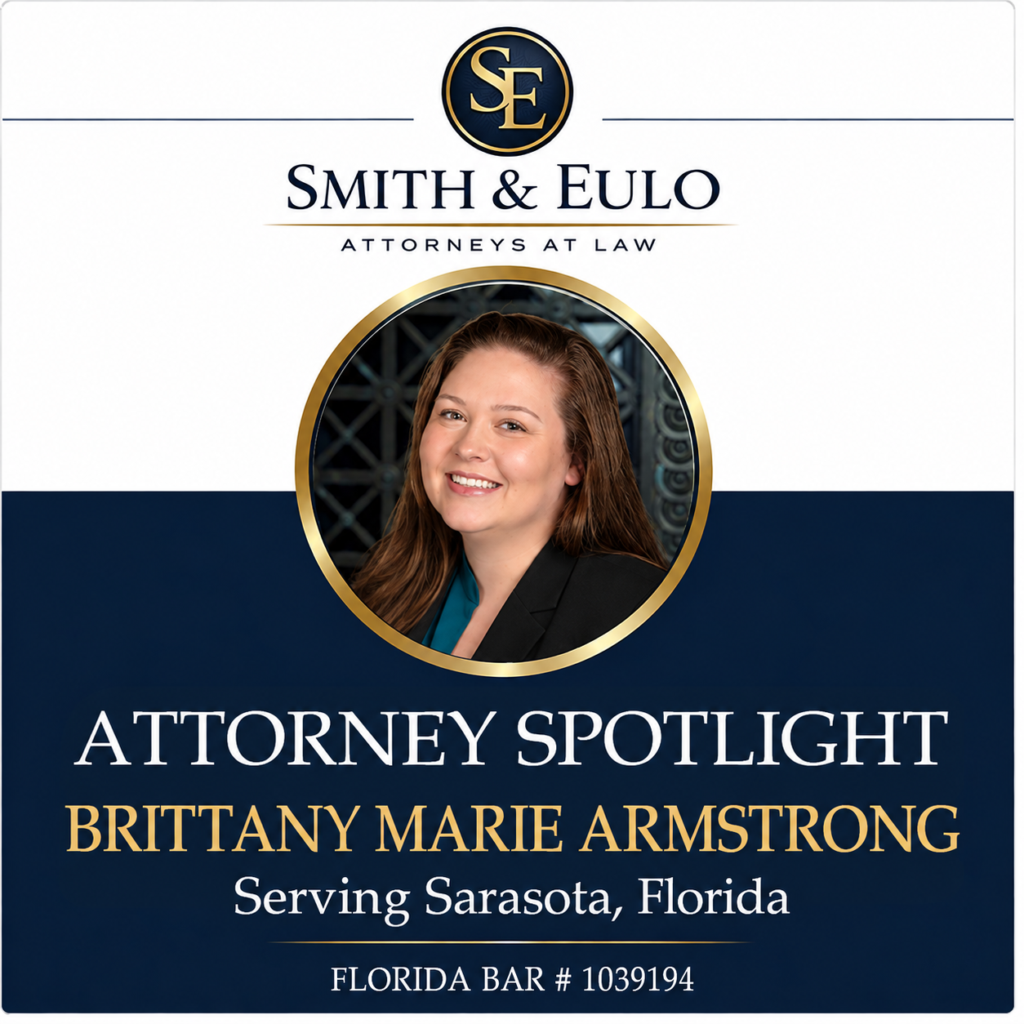
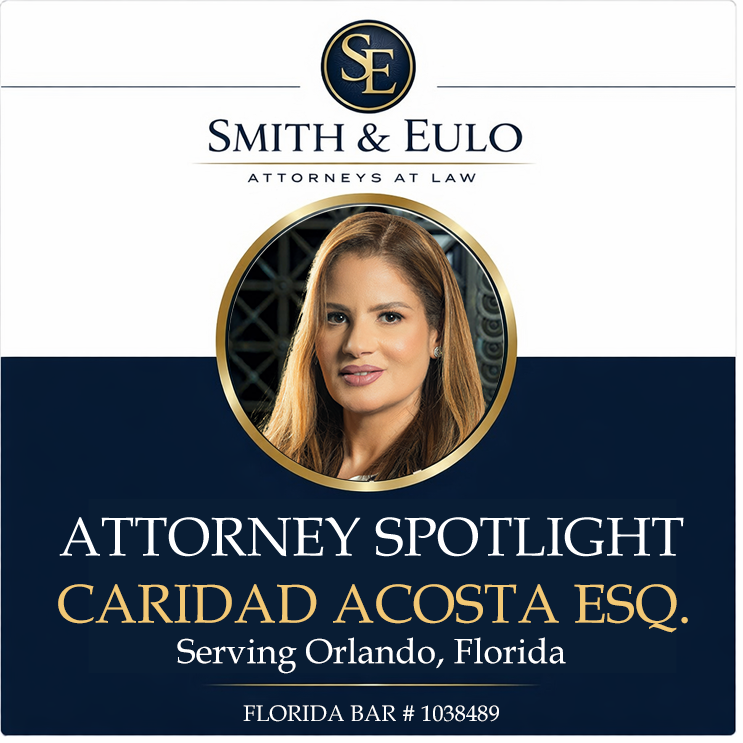
Meet Your Expungement Legal Team

What Our Clients Say

Why Choose Smith & Eulo?

20+ Attorneys statewide — with offices in Orlando, Tampa, Miami, Jacksonville, Ft. Lauderdale, Ft. Myers, Sarasota, Clearwater, Gainesville, Tallahassee, Daytona Beach, and Lakeland.

Board Certified Criminal Trial Lawyer on staff — a distinction held by fewer than 1% of Florida attorneys.

Flat-fee pricing for expungement work — no hourly surprises.

Bilingual staff — hablamos español.

Featured on CNN, Fox News, BBC, and The New York Times.

Case Results

Felony Battery — Expunged. Client accepted pre-trial diversion; we secured full expunction 8 months after program completion.

DUI Reduced & Sealed. Original DUI reduced to reckless driving; record subsequently sealed under § 943.059.

Domestic Battery — Dismissed & Expunged. Charge dismissed at first appearance; arrest record expunged 9 months later.

Drug Possession — Withheld & Sealed. Adjudication withheld after probation; record sealed statewide.

Life After Expungement

Employment: You may lawfully deny the arrest on most private-sector job applications.
Housing: Expunged records do not appear on standard tenant background checks.

Licensing: Certain state licensing boards (nursing, teaching, law enforcement, DCF) can still see sealed records — we advise carefully before you apply.

Firearms: Expunction does not automatically restore firearm rights lost due to a felony conviction — that requires a separate restoration proceeding.

Immigration: ICE and USCIS retain access to sealed records. Non-citizens should consult counsel before filing.

Related Practice Areas

Expungement often follows other criminal matters. We handle the full lifecycle so the record can eventually be cleared:

DUI Defense — reductions and withhold-of-adjudication outcomes that open the door to sealing.

Drug Charges — diversion and pre-trial intervention pathways.

Theft Crimes — petit theft and shoplifting are often sealable.

Domestic Violence — dismissals may allow expunction even where a conviction would not.

Complete Florida Expungement FAQ

FDLE charges a $75 filing fee for the Certificate of Eligibility. Court filing fees vary by county but typically run $42-$100. Attorney fees for straightforward expungement work at Smith & Eulo are quoted as a flat fee before you retain us — no hourly billing surprises.
Florida generally allows one seal or expungement per person, per lifetime. There are narrow statutory exceptions (for example, human-trafficking victim expunctions under § 943.0583). If you have a prior seal or expunge, retain counsel before applying again — a wrongful second application can create a fraud exposure.
Not on standard private-sector background checks. However, certain government agencies — including state licensing boards for nursing, teaching, DCF, and law enforcement, as well as ICE and USCIS — still have access to sealed records. We advise carefully before you apply for licensure or immigration benefits.
In most private-sector contexts, yes — Fla. Stat. § 943.0585(4) allows you to lawfully deny the arrest. There are statutory exceptions for certain jobs (law enforcement, criminal justice, education involving direct contact with minors, and healthcare licensure) where you must still disclose.
If the offense is not on the statutory exclusion list and adjudication was withheld or the case was dismissed, you are most likely eligible — subject to the one-per-lifetime rule and the requirement of no prior adjudications. We confirm eligibility before doing any work.
Usually no. Many Florida judges grant expunctions in chambers without a hearing. If the State Attorney objects or the judge wants argument, a short hearing may be scheduled — we appear on your behalf.
No. Federal records are governed by federal law and are almost never expungable. § 943.0585 covers Florida state and local arrests only. If your record contains both federal and state matters, we address the state portion and refer the federal question separately.
Not automatically. Firearm rights lost due to a felony conviction require a separate rights-restoration proceeding through the Florida Office of Executive Clemency. Expungement clears the record but does not restore rights that were lost from the underlying conviction.
ICE and USCIS retain access to sealed and expunged records. A non-citizen with a criminal history should consult an immigration attorney before applying for any benefit — an expungement does not erase the underlying conduct for immigration purposes.
Yes. Florida provides several juvenile expunction pathways, including automatic expunction at age 21 or 26 (depending on offense) and diversion-program expunction under § 943.0582. We handle both juvenile and adult petitions.

Contact Us Today For Your Free Consultation

If you are ready to clear your Florida criminal record — or you are unsure whether you qualify — call Smith & Eulo for a free, no-obligation eligibility review. We will tell you honestly whether expungement or sealing is available in your case and what it will cost.

What To Do Right Now

Gather your paperwork. Locate the arrest date, case number, and county so we can pull the disposition quickly.

Do not delay. Some offenses have waiting periods that begin at case closure — starting the eligibility review early avoids months of avoidable delay.

Check your eligibility. Take our free eligibility quiz or call directly.

Call 24/7: 407-930-8912.

Related Resources

Am I Eligible for Expungement? — our interactive eligibility check.

Expungement Eligibility Wizard — step-by-step statutory walkthrough.

FDLE Seal & Expunge Home — the official Florida Department of Law Enforcement portal.

Free Case Evaluation — 24/7 intake.

Smith & Eulo Law Firm

We Have a Website Dedicated to Immigration Law

Smith & Eulo has a specialized immigration website — Florida Immigration Law Firms — dedicated exclusively to immigration cases across Florida. You are about to be taken there.

Proceed to Website →